Sticky Sensors and the Home Security Gap – DIY Isn’t Always Best

The DIY craze that overtook the nation in the mid-1990s is alive and well today. Here is the thing: DIY isn’t always the best way to go. For instance, DIY granite countertop installation is a bad deal unless you are extremely knowledgeable, have adequate assistance, and own the right tools. DIY might not be the best choice for electronic home security either.
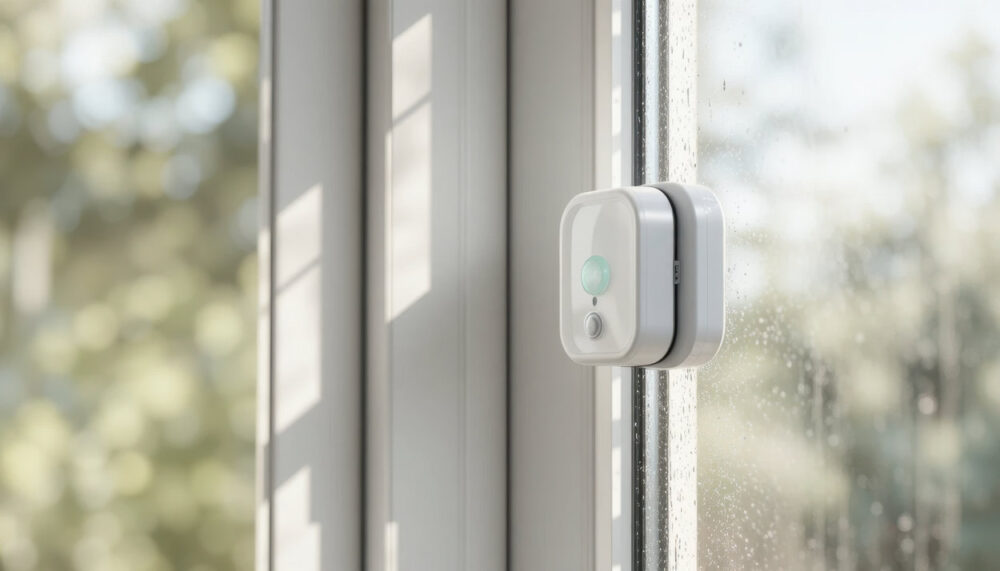
DIY home security has slowly evolved over the years in an attempt to make installation as easy as possible. It is now an environment built on the peel-and-stick mentality. Just peel the paper off the back of your new video doorbell and stick it to the wall. Bring up the associated smartphone app, tap a few buttons, and you are good to go.
Gaps in Home Security
Regardless of whether a system is professionally installed or installed by the homeowner, gaps in home security are always a possibility. Professional installation limits any such gaps by way of experienced installation technicians who know what to look for. But in the era of sticky sensors and DIY installation, gaps are more common.
The consummate example of a home security gap is leaving the front door unprotected despite having multiple video cameras in the system. If there is one location where video surveillance is a must, it is the front door. The front door is one of the first places a burglar looks for entry.
Sticking with video cameras, another gap is not necessarily apparent until after the fact. This gap is one caused by cameras that become completely ineffective once the sun reaches a particular angle. An exterior camera pointed at an upward angle will almost always be subject to sun glare at some point during the day. While the sun shines brightly on it, the camera does not offer a usable view.

Source: consumerreports.org
It’s Not the Tech, It’s the Installation
The equipment rarely causes gaps in modern electronic home security. Modern technology is an awesome thing. Instead, gaps are usually the result of improper installation. Therein lies one of the weaknesses of DIY home security.
There are appropriate locations for video cameras. There are also inappropriate locations. Likewise for motion sensors, motion-activated lighting, and even window and door sensors. Homeowners aren’t expected to know optimal installation locations. Pros are.
There is also the issue of wireless security. Given that most DIY systems utilize a home’s local Wi-Fi network for operation, it is imperative that the network be secured against outside intrusion. But how many homeowners actually know how to harden their networks? I am guessing not many. Without a hardened network, a security system is vulnerable.
Professional Installation Is Different
Although DIY home security is pretty popular, mainstream home security providers offer something different. Take Vivint Home Security’s HomeProtect package. It is an affordable, entry-level package that comes with free installation and no contract. It’s the free, professional installation that sets this system apart from the DIY competition.
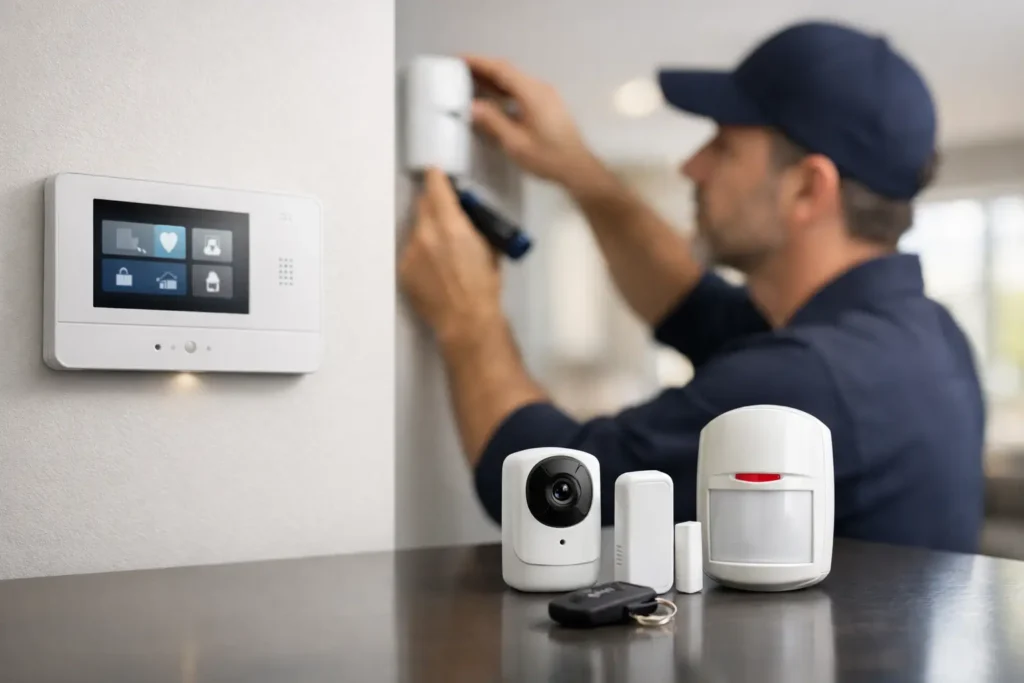
When a homeowner invests in HomeProtect, he doesn’t have to worry about anything related to installation. A professional technician shows up and does a complete property assessment. He then installs the equipment in the most appropriate places. He tests everything to make sure it is working properly, then shows the customer how to use his system.
With professional installation, you also get top-notch knowledge. You get a technician who understands how home security works and how to best utilize it to protect against burglary, home invasion, and a variety of property crimes.

Source: dexcom.com
Still a Wireless System
Some homeowners might steer away from professionally installed home security because they assume professional installation equals cutting into walls and running hundreds of feet of wires and cables. Here is the good news: modern home security is mostly wireless – even when professional installation is a homeowner’s choice.
Homeowners can still purchase fully wired systems if that’s what they want. But it is not mandatory. Wireless systems are just as effective and offer the same types of devices. There is no need to cut into the walls. There is no need to alter a home’s electrical system.
The absence of major construction dictates that a wireless system can be installed in a day or less. With wired systems, repairs need to be made after installation as complete. That means repairing drywall, painting, etc. Wireless is so much easier.
There Is a Financial Trade-Off
It would be irresponsible to give the impression that everything about a professionally installed home security system is superior. It’s not. There are drawbacks. The biggest is the financial trade-off.
It is possible to stick to a very modest budget with peel-and-stick DIY home security. A homeowner can invest in the cheapest devices on the market as he can afford them. On the other hand, investing in a professionally installed system is going to cost a bit more. Even with free installation, equipment prices tend to be a bit higher.
In exchange for a higher price tag, a homeowner gets the confidence that comes with knowing every device will work out of the box. He gets customer support and the assistance of a knowledgeable technician ready to answer questions and provide detailed instructions.
Source: fluenthome.com
The Monthly Contract Question
Another potential drawback of professionally installed home security is the monthly monitoring contract. Some providers do not give homeowners an option here. The contract comes with installation by default. Depending on how much it costs, monthly monitoring could put a dent in a homeowner’s budget.
On the other hand, some do not force a multi-year monitoring contract on customers. A homeowner pays month-to-month with the ability to cancel at any time. A similar option exists with nearly all DIY systems.
There is something to be said about DIY home security for those consumers who want it. But because it is built on the peel-and-stick mentality, the risk of security gaps is very real. It’s best to learn about those gaps before investing in a DIY system. The other option is to skip DIY altogether and go with professional installation.