

What Makes Modern Infrastructure Truly “Smart”?

Cities never sleep. Cars inch along, water pours from old Cities never sleep. Cars inch along, water pours from old
pipes, and power lines buzz. For generations, each system did its own thing. The water department didn’t talk to the electric company.
Traffic engineers worked separately from everyone else. That’s changing fast, and the results affect everyone who lives in a city.
Beyond Basic Automation
Source: vinotion.com
Old infrastructure runs on timers and simple switches. Streetlights activate as darkness falls. Traffic lights cycle every 90 seconds, regardless of traffic. Water pressure is consistent across pump stations, day or night. It’s partially effective. But think about the waste.
Empty intersections with red lights stopping nobody. Street lamps blazing away on deserted sidewalks. Water pumps working overtime while everyone sleeps.
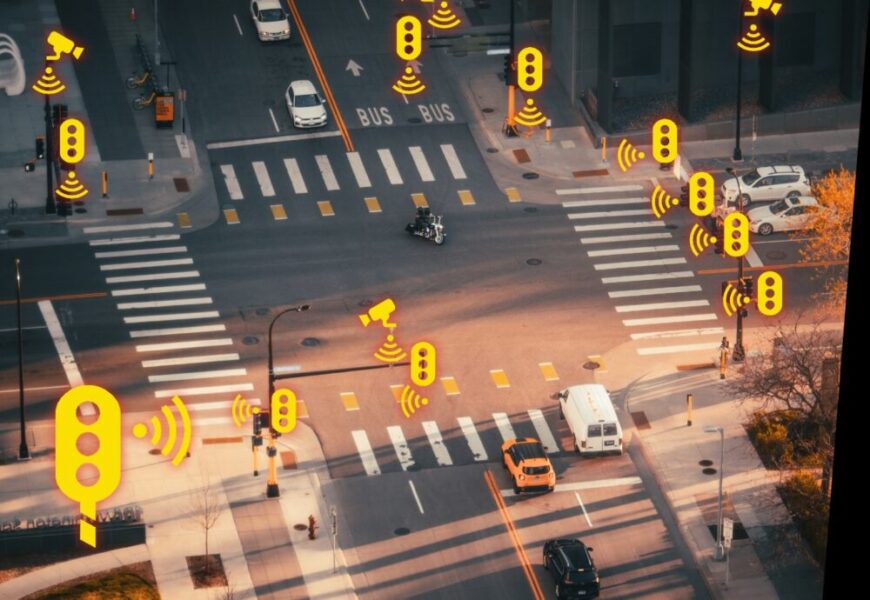
Smart systems actually pay attention. Motion sensors tell lights when someone’s walking by. Cameras count cars and adjust signal timing on the fly. Pressure monitors detect pipe leaks the size of pinholes before they become geysers.
The magic happens when cheap sensors meet powerful computers. Bridge vibration detectors are inexpensive and identify issues early, when repairs are still feasible. Neighborhood air quality monitors track pollution instantly. Cities track current events, not past ones.
The Network Effect
One smart device? Helpful. Thousands working together? Revolutionary. Take parking. A single smart meter tells you if one spot is open.
Link them all together, and suddenly your phone guides you straight to an empty space. No more hunting. No more circling. Just park and go.
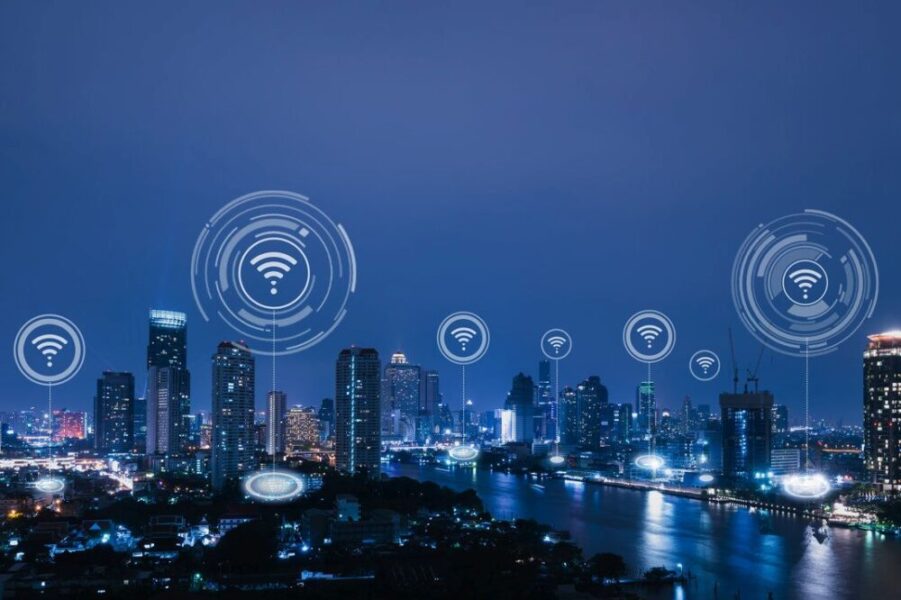
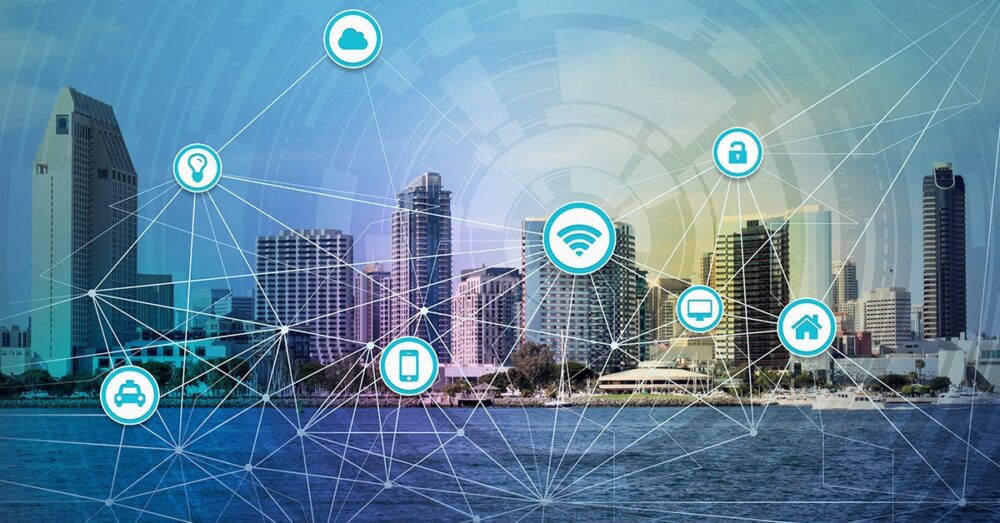
Urban infrastructure connectivity pulls everything together into one giant web. Blues IoT creates wireless connections that enable device communication.
Rain begins, drainage systems activate, and traffic lights guide drivers away from flood-prone underpasses. Garbage trucks ignore half-full bins for full ones. Fire trucks always get green lights to emergencies.
Patterns jump out when everything’s connected. Maybe delivery trucks blocking the right lane on Third Avenue cause most rush-hour delays.
Perhaps water pressure drops whenever the factory two miles away starts its morning shift. Connections nobody noticed before become obvious when computers crunch the numbers.
Learning and Adapting

Source: gihub.org
These systems get smarter every day. They remember what happened last time it rained this hard. The intersections that jam up during downtown basketball games are known to them.
They learn. Power grids watch the weather forecast and prep for heat waves before the first air conditioner kicks on.
Bridge sensors track tiny shifts and flag concerning trends months before inspectors would normally check. Sewer systems notice unusual flows that might mean illegal dumping or broken pipes upstream.
Fixing things before they break saves money. Lots of money. Cities used to replace parts after a certain number of years, ready or not.
Now they replace parts when sensors say they’re actually failing.
The Human Element
Workers don’t lose their jobs to smart systems. Their jobs just get better. Nobody misses crawling through tunnels checking pipes with flashlights.
Now they investigate specific problems that sensors detected. Regular folks notice the difference too. Commutes get shorter when lights actually respond to traffic. Water bills drop when leaks get fixed fast.
Power stays on during heat waves because the grid saw the demand coming. Taxes stretch further when cities stop wasting money on unnecessary repairs and emergency fixes.
Conclusion
Source: ansys.com
Smart infrastructure isn’t about fancy technology showing off. It’s about systems that detect, learn, and act. Sensors function as the city’s eyes and ears.
Networks let different systems work as a team instead of in isolation. Software finds and fixes hidden issues.
The hidden intelligence beneath and above ground translates into quicker commutes, cheaper bills, and cities that operate more smoothly. These systems become incrementally more intelligent each day, benefiting every resident.