Games
From Flash to HTML5: How Browser-Based Gaming Has Evolved
How browser gaming moved from Adobe Flash to HTML5, WebGL and touch-first design, and what that shift means for players and developers today.

Ask anyone who played games online in the early 2000s and they will probably remember a small window, a loading bar, and a game that somehow ran without a download. For years, that experience was powered by Adobe Flash. Today, the same kind of game usually runs on HTML5, JavaScript and WebGL without any plugin at all. The change happened gradually, and it reshaped who makes browser games, how they are played, and where they can be played.
The Flash Era
Flash began life as a animation tool and grew into a full multimedia platform. Its appeal was simple: a designer could draw, animate and script an experience that looked the same in every browser. For game makers, that was a big deal. Developers no longer had to worry about cross-browser differences, and a single .swf file could reach millions of people.
Portals such as Newgrounds, Armor Games and Kongregate became the home of this scene. Some of the most famous early browser games, including titles that later became mobile hits, started life as small Flash projects. The format rewarded quick experiments, and that is why so many memorable games from the period feel so distinct.

Why Flash Lost Its Grip
Flash never fully disappeared overnight. It was slowly pushed aside by a combination of security problems, performance issues and a shift in how people used the web. Apple refused to support it on iOS devices, and browser makers began blocking it by default. Adobe announced in 2017 that it would end support for the Flash Player at the end of 2020, and the rise and fall of Adobe Flash is now a familiar story in tech history.
The gaming side of the story is more nuanced. Many developers did not abandon browser games. They moved their ideas to newer tools, and some of those ideas now surface in unexpected places. Casino-style titles, for example, have adopted modern web technology just as quickly as educational or puzzle games. Comparison sites like Crazyvegas help players browse different options, including the best online pokies, which are now built on the same open standards that replaced Flash.
Mobile Devices Forced the Change
The rise of the smartphone made the old model impractical. Flash was designed around mouse input, while phones relied on touch, smaller screens and limited battery life. Developers needed games that could adapt to different sizes and respond to fingers rather than clicks.
HTML5 offered a path forward. Responsive layouts, touch events and hardware-accelerated graphics allowed a single game to run on a laptop, a tablet and a phone. The browser stopped being a container for plugins and became a platform in its own right.

What HTML5 Brought to Browser Games
HTML5 is not a single feature but a family of standards. The
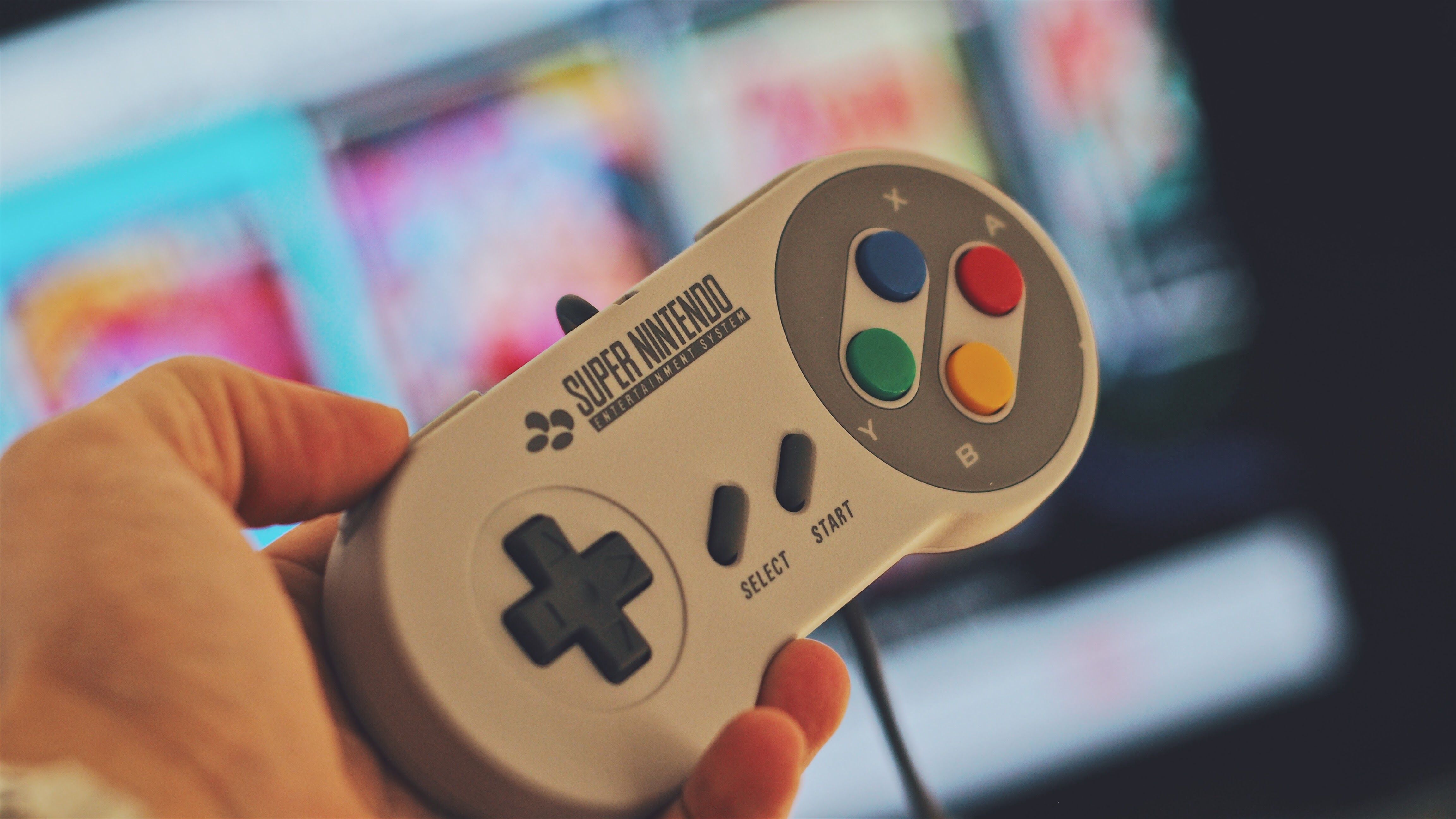
Input has also expanded. The Gamepad API lets browsers read physical controllers, so classic-style pads that once belonged only to consoles can now control browser games directly. That opens up a nostalgic path for players who grew up with older hardware.
Performance, Security and Open Standards
Modern JavaScript engines are far faster than the environments that Flash ran in, and browsers now sandbox web content in ways that make it safer to play unfamiliar games. Open standards also mean that a game does not depend on a single company’s roadmap. If a browser changes, the web community can respond without waiting for a plugin vendor.
There are trade-offs. Building a game with raw WebGL is more complex than dragging assets onto a Flash timeline, and many developers rely on engines to keep projects manageable. Still, the result is a more open ecosystem in which a small team can publish a polished game that runs anywhere a modern browser is available.
Where Browser Gaming Goes Next
The next stage of browser gaming is likely to be defined by performance, multiplayer features and better cross-device saves. WebAssembly allows compiled code from languages such as C++ to run in the browser at near-native speed, which makes larger projects more realistic. Players, meanwhile, now expect instant loading and no installation, the same promise that Flash made two decades ago.
Flash is gone, but the idea behind it, that a game should be one click away, has survived. HTML5 has taken that idea further by making the browser a serious platform for games of nearly every kind, from tiny puzzles to ambitious 3D worlds.