Relationships
Online Dating Statistics 2026: How Many People Pay for Dating Apps?
The latest U.S. figures show who is using dating apps in 2026, how many have ever paid, and why “ever paid” is not the same as having an active subscription.

How many people pay for dating apps? The most defensible figure is that about one-third of U.S. online daters have paid at least once. That does not mean one-third have an active subscription today: surveys often combine subscriptions with one-off purchases, and the newest 2026 adoption survey does not measure current payments.
Online dating use in 2026: the current snapshot
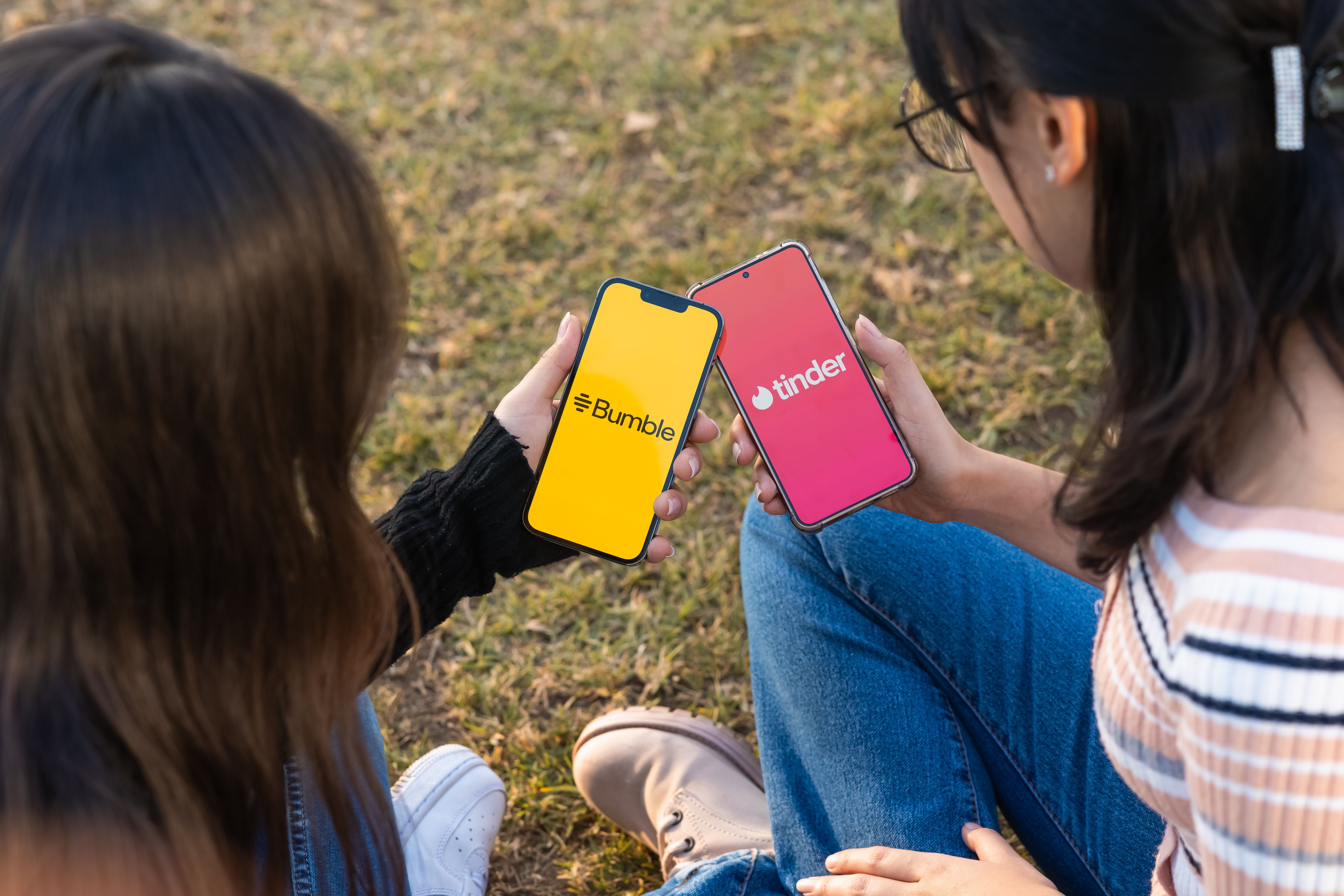
In its January 2026 survey of 2,012 U.S. adults, SSRS found that 37% had ever used an online dating site or app. Just 6% of all adults said they were currently using one. That is a useful reality check against app-industry talk: a large share of people have tried online dating, but regular use at any given moment is much narrower.
SSRS recorded 39% ever-use in 2025 and 37% in 2024. These small year-to-year shifts are not evidence of a dramatic collapse or boom. They also describe the United States, not a global user base. The 2026 SSRS topline results are the freshest broad adoption measure available here.
How many dating-app users have paid?
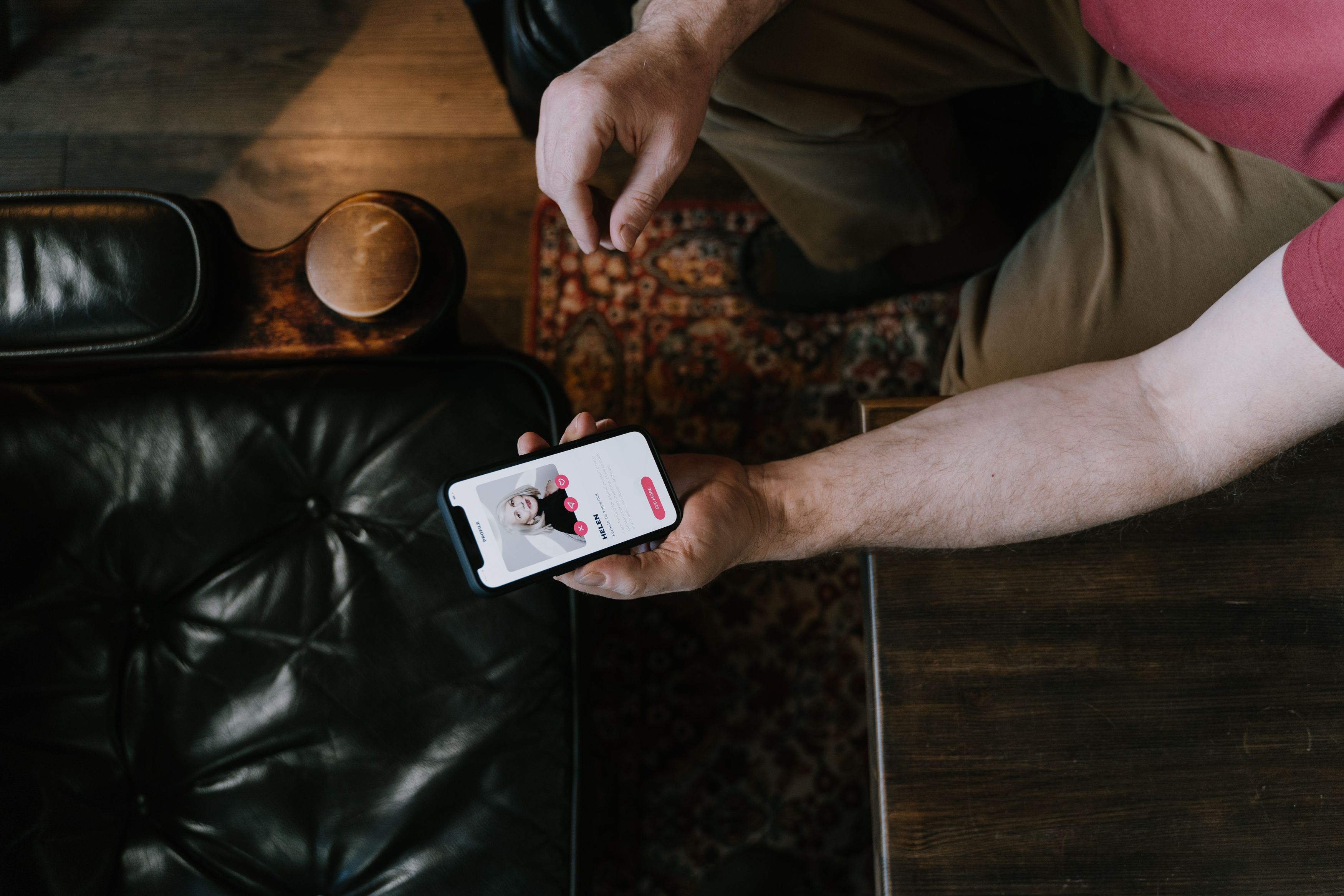
The clearest answer remains 35%: Pew Research Center reported that this share of U.S. adults who had ever used a dating site or app had paid for one at some point, including for extra features. The underlying survey was conducted in July 2022 and published in 2023, so it is not a live 2026 subscriber count. SSRS found the same 35% had ever spent money in its 2024 online-dating survey.
That distinction matters. “Ever paid” includes someone who bought a temporary boost years ago, not just someone renewing a monthly plan. Pew also found payment varied by age and gender: 41% of online daters aged 30 and older had paid, compared with 22% under 30; the figures were 41% for men and 29% for women. The Pew online-dating report gives the survey dates and breakdowns.
Paying is not the same as getting better results

Pew found that 58% of people who had paid described their overall online-dating experiences as positive, compared with 50% of those who had never paid. That is an association, not proof that subscriptions create better dates: people who pay may differ in income, age, goals or time spent using apps. My read is that an upgrade is best treated as a convenience purchase, not a shortcut to compatibility.
Also keep categories straight when comparing spending. Paying an app for premium features is different from arranging in-person companionship, such as a München escort; the latter should not be counted as a dating-app payer. For readers dating across borders, our guide to international online dating covers the practical differences beyond app fees.
The 2026 takeaway
So, how many people pay? Roughly one in three U.S. adults who have tried online dating have paid at least once, based on the strongest direct survey measures available. The exact share with an active paid plan in 2026 is not established by the latest national topline. For app users, the sensible question is not simply “Should I pay?” but “Which specific feature would solve a problem I actually have?” Try the free version first, then pay only if the benefit is clear and the renewal terms suit you.
How these figures were compiled
The 2026 usage figures come from SSRS interviews conducted in January 2026 with a nationally representative sample of 2,012 U.S. adults. Payment and demographic figures come from Pew Research Center’s July 2022 survey of 6,034 adults, published in 2023, with a matching ever-spent result from SSRS in 2024. These surveys ask different questions and measure past payment rather than active subscriptions, so the figures should not be read as a 2026 payer rate.