





From Esports to Sports Betting: How Competitive Gaming Changed Online Wagering

Competitive gaming did more than create a new form of entertainment. It quietly reshaped how people interact with prediction, risk, and live outcomes online. Long before many sports betting platforms refined their interfaces or live features, esports audiences were already watching matches unfold on screens filled with data, timing cues, and constant updates. That environment changed expectations. Online wagering adapted as a result.
Esports trained audiences to follow live data
Source: hir.harvard.edu
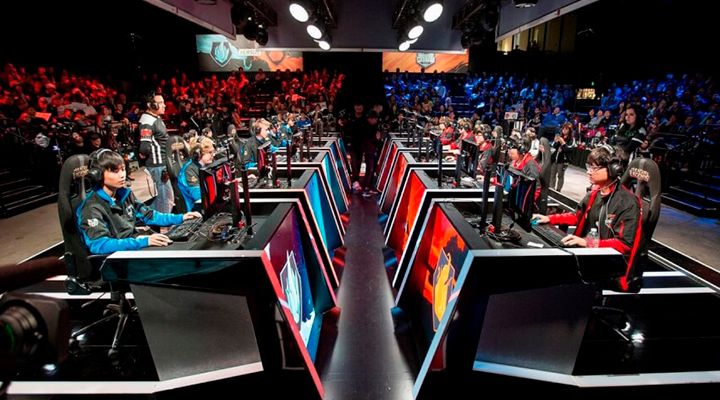
Esports viewers are used to dense information. Health bars, cooldown timers, mini-maps, player stats, and score changes are always visible. Watching a match means processing data in real time, not just following a ball or a clock. This changed how audiences think about competition. Outcomes feel dynamic rather than fixed. Momentum shifts are visible before results appear on the scoreboard. Sports betting platforms noticed this behaviour. Live wagering tools began to reflect it, offering constantly updating options rather than static pre-match choices. Odds started moving faster. Interfaces became more responsive. The idea that a match could be read and reacted to moment by moment became normal.
Live streaming shaped timing expectations
Competitive gaming grew alongside live streaming. Fans became comfortable joining matches mid-round, leaving early, or switching between streams without losing context. That flexibility influenced wagering design. Betting platforms like Betway stopped assuming users would arrive before kickoff and stay until the end. Instead, they built systems that work at any moment. You can enter, act, and exit without confusion. This mirrors how esports fans move between games and streams. Timing became fluid, not fixed.
Interaction replaced observation
Esports culture is interactive by default. Chats scroll constantly. Viewers react together. Polls, predictions, and live commentary blur the line between watching and participating. That mindset carried over. Sports betting began to feel less like placing a single decision and more like staying involved throughout an event. Live markets, cash-out options, and in-play adjustments fit naturally into this behaviour. The change was cultural before it was technical. Audiences expected engagement, not just observation.
Interfaces borrowed from gaming

Source: theenterpriseworld.com
Look closely at modern betting platforms and familiar patterns appear. Clear status indicators. Responsive buttons. Visual feedback after every action. These elements did not come from traditional bookmakers. They came from games. Competitive gaming taught users to expect instant confirmation and visible state changes. When something happens, the screen should show it clearly. Sports betting platforms that adopted this thinking felt easier to use, especially for younger audiences raised on games rather than forms and slips.
Short sessions became the norm
Esports fans rarely watch uninterrupted for hours. They drop in, check the state of play, react, and move on. Attention is flexible. This behaviour influenced wagering patterns. Betting platforms adjusted to short, frequent interactions rather than long, focused sessions. Systems had to remember context, update instantly, and remain clear even after brief absences. That shift aligned betting more closely with how people already use digital entertainment.
Predictive thinking moved closer to play
Competitive gaming encourages prediction as part of viewing. Fans speculate constantly. Who has momentum. Which strategy is working? What might happen next. Sports betting aligned with that mindset. Instead of treating prediction as a separate activity, it became something woven into the experience of watching. Live wagering reflects how esports audiences already think, in sequences rather than final outcomes.
A crossover that reshaped expectations
Source: gamesporttalk.com
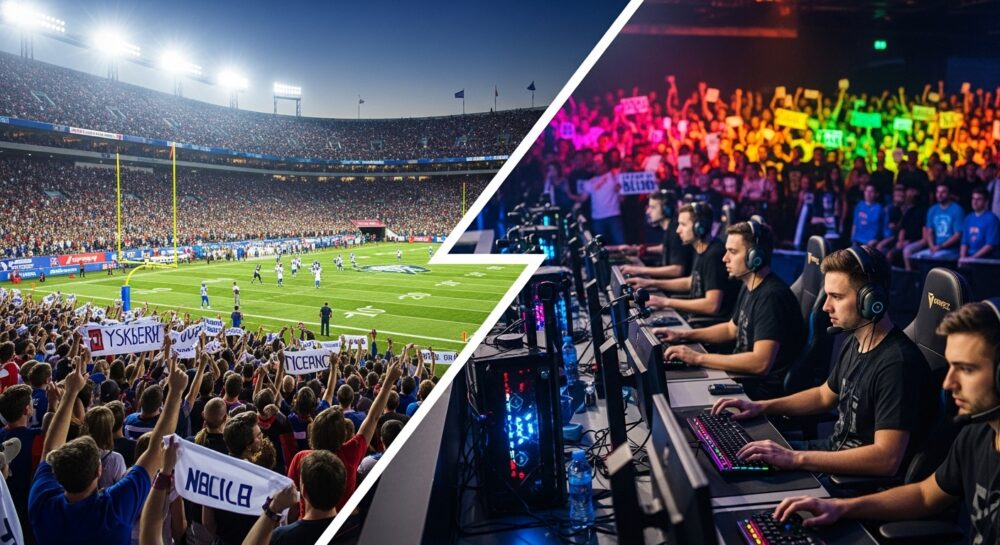
Esports did not replace traditional sports betting. It changed the expectations around it. Faster feedback. Clearer interfaces. Flexible timing. Continuous engagement. Online wagering today looks the way it does because a generation grew up watching competitive games, tracking live data, and interacting in real time. Betting platforms adapted to that behaviour, whether consciously or not. What began in gaming screens and streaming chats now shapes how people engage with sports outcomes online. Competitive gaming did not just create new markets. It changed how the entire system feels to use.