How To Relax Without Leaving Your Home After A Long Day

Most advice about relaxation quietly turns it into another task. You end up with routines, rules, and expectations that feel like work in disguise. That is usually the problem, not the solution. After a long day, what helps is not adding more structure. It is removing pressure.
There is a simple starting point. You are not trying to fix your evening or make it perfect. You are trying to stop pushing against the reality that you are tired. Once that shifts, small things begin to feel like enough.
Research and writing on time and stress consistently point in the same direction. People feel better when they stop trying to optimize every hour and instead accept limits and let some things go.
Relaxing at home feels harder than it should
It sounds easy. You are already home. There is no commute, no planning, no cost. Yet many people still feel restless or mentally busy.
Part of this comes from how we think about time. We treat free time as something to use efficiently. Even rest becomes a kind of project. That creates tension before you even start.
There is also the background noise of unfinished tasks. Messages, emails, things you meant to do. None of them are urgent, but they stay active in your mind.
A useful shift is to stop seeing relaxation as something you need to earn or complete. It is something you allow by not adding more demands.
When you stop trying to get the most out of your evening, you often get more out of it anyway. That is the part most people miss.
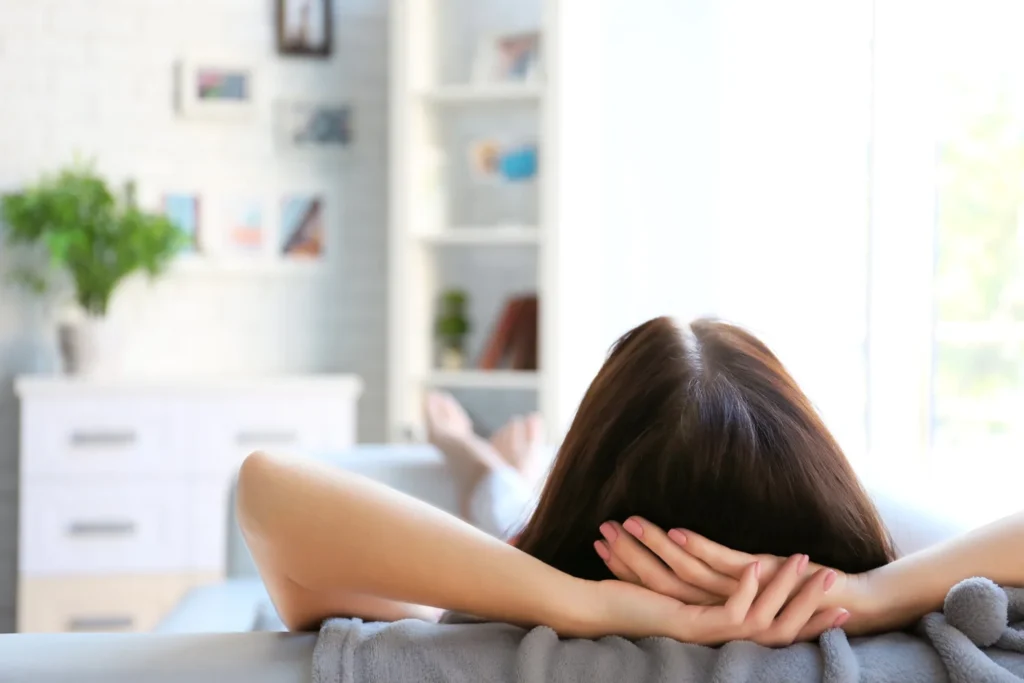
Source: judywinslowrealtor.com
A quick reset before you do anything else
Before choosing how to relax, it helps to interrupt the momentum of the day. Otherwise, you carry the same mental pace into your evening.
One practical way to do this is simple:
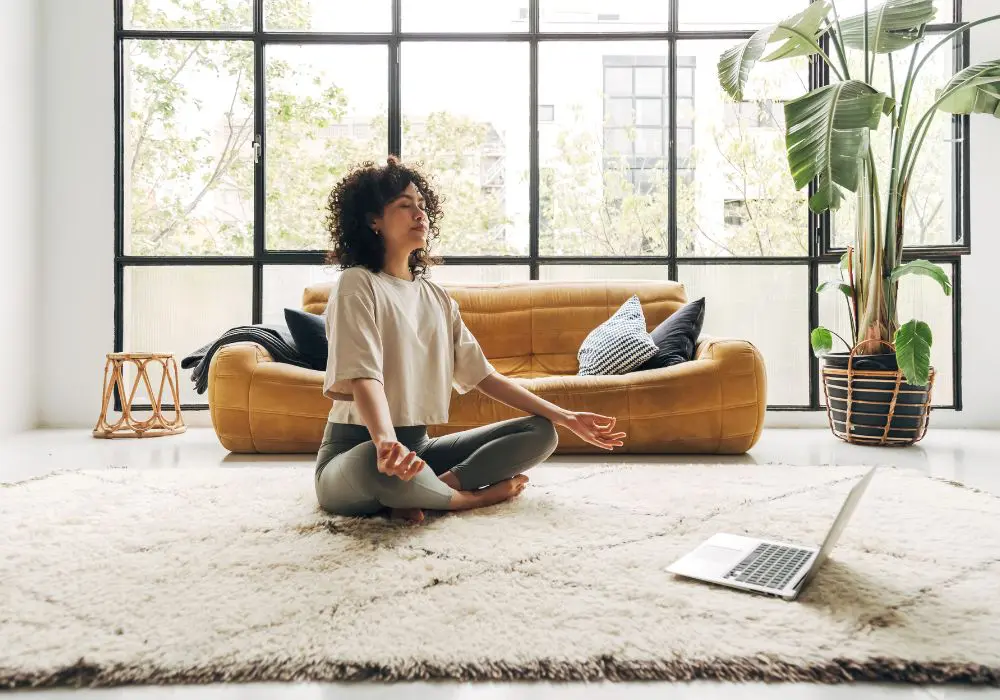
- Sit down somewhere without a screen
- Do nothing for five to ten minutes
- Let your attention drift without trying to control it
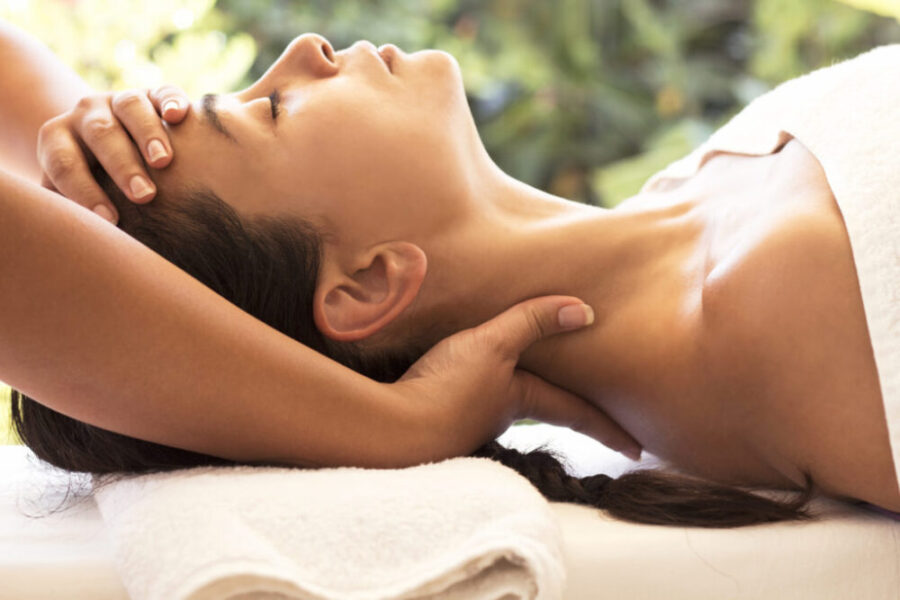
- Outcall home massage
This is not about clearing your mind. That rarely works. It is about stepping out of the constant need to react.
Even when you are on a business trip you can order 출장안마 massage, where the environment forces you to slow down and rest. At home, you have to create that condition yourself, even briefly.
Once you have that pause, the rest of your evening tends to unfold with less resistance.
Source: spafinder.com
What actually helps you relax at home
Relaxation is often quieter than people expect. It is not always a dramatic shift in mood. It is usually a gradual reduction in effort.
Here is a simple way to think about your options:
| Activity type | What it does | When it works best |
| Passive (watching, scrolling) | Reduces effort but keeps attention busy | When you are too tired to engage |
| Light engagement (cooking, stretching) | Grounds your attention in something simple | When your mind feels scattered |
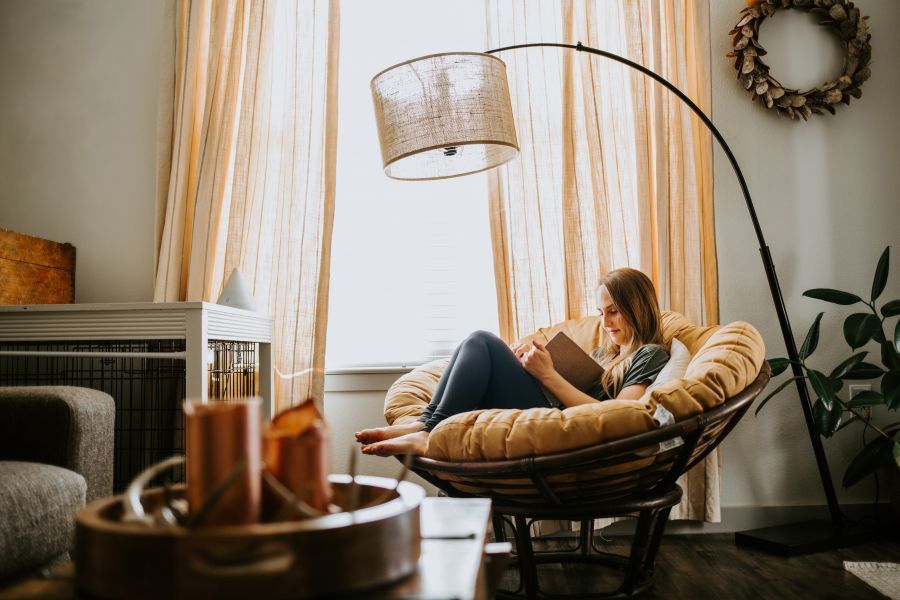
| Stillness (sitting, lying down) | Allows mental noise to settle naturally | When you feel overstimulated |
None of these is better than the others. The useful question is not “what is the best way to relax” but “what requires the least effort right now.”
After that, stay with it longer than you think you should. The first few minutes often feel restless. That is normal.
Source: montano-homes.com
What to expect when you slow down
Relaxation is not always immediate. Sometimes when you stop, you notice how tense or distracted you feel. That can be uncomfortable.
It does not mean the approach is not working. It usually means you are paying attention for the first time in a while.
If you stay with it, things tend to level out. Not perfectly, but enough to feel different from the pace of the day.
Over time, you may notice that you need less structure to relax. The process becomes simpler, not more complex.