Postless Vape Deck Pros and Cons Build Space Airflow and Ease of Use

Postless vape decks have moved from niche designs to mainstream rebuildable options. Builders notice them for the open layout and different coil mounting logic.
Interest usually comes from users who want cleaner builds or more freedom with coil positioning. At the same time, the design brings tradeoffs that matter in daily use.
A clear look at build space airflow behavior and usability helps set realistic expectations before choosing one.
Understanding the Postless Vape Deck Concept

Removing posts simplifies the chamber while giving builders more control over coil positioning and flavor behavior│pexels
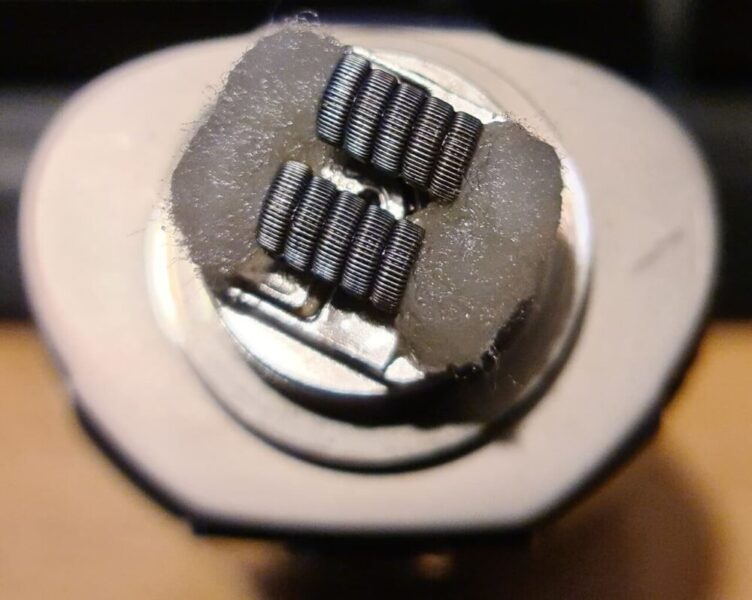
A postless deck removes traditional posts and places coil leads directly into the deck base. Screws tighten from the side or top while the coil legs drop straight down. This layout changes how builders approach coil placement and cutting length.
Many users encounter postless vapes when browsing modern RDAs and RTAs that favor minimal internal structures.
Postless decks often allow smaller vapor chambers despite large build space. The lack of posts lets manufacturers reduce chamber height while keeping coil clearance. Smaller chambers increase vapor density and perceived flavor.
This efficiency explains why many flavor focused RDAs adopt postless layouts. The design supports both spacious builds and compact airflow geometry. That combination remains difficult to achieve with traditional posts.
The core idea remains simple. Fewer internal parts create more room around the coil. That space influences airflow paths flavor concentration and wicking behavior in noticeable ways.
Build Space Advantages in Postless Decks
Build space is often the first benefit users notice. Without posts blocking the chamber the deck feels open and less restrictive. Coil diameter options expand and complex builds become easier to position.
The following points highlight what builders usually gain from the extra space and why it matters during setup:
- Larger coil diameters fit more comfortably which supports higher mass builds.
- Dual coil configurations feel less cramped even in compact atomizers.
- Wicking channels stay clearer since cotton does not fight around posts.
- Visual alignment improves because the coil sits centered by design.
Each of these factors supports consistency. Builders spend less time correcting skewed coils or compressed cotton. That efficiency becomes valuable for users who rebuild often or experiment with different wire types.
Build Space Limitations to Keep in Mind

Greater freedom in build space also means greater responsibility for precise coil placement│unsplash
The same openness that helps advanced builds can create challenges for less experienced users. Extra room removes physical guides that posts normally provide. Beginners may struggle with coil height and lead trimming at first.
The following list explains common build space drawbacks and why awareness helps avoid frustration:
- Coil legs require precise cutting before installation which leaves little room for error.
- Height control depends fully on the builder rather than fixed post geometry.
- Large empty chambers may reduce flavor if coil placement sits too low.
- Overwicking becomes easier when too much cotton fills unused space.
Understanding these limits turns potential issues into manageable steps. Careful measurement and dry fitting solve most problems. Experience tends to smooth out the learning curve after several builds.
Airflow Behavior in Postless Deck Designs
Airflow interacts directly with the open structure of a postless deck. Without posts disrupting air paths designers gain freedom to direct airflow more evenly around the coil. Many users report smoother draw characteristics as a result.
The airflow impact can be summarized through a focused comparison of design outcomes:
- Side airflow strikes coils more evenly due to unobstructed paths.
- Bottom airflow aligns closer to coil center for improved vapor saturation.
- Reduced turbulence appears because fewer metal surfaces break airflow.
- Chamber shaping plays a larger role in flavor than post placement.
Airflow quality depends heavily on the atomizer design rather than the deck alone. Still the postless layout gives engineers more flexibility to tune airflow without structural compromise.
Comparing Airflow Performance to Posted Decks

Postless decks reduce structural interference, helping airflow symmetry play a larger role in performance│unsplash
A side by side comparison helps clarify where postless decks differ in real use. The table below outlines airflow related traits that builders often notice.
[su_table responsive=”yes”]
| Feature | Postless Deck | Traditional Posted Deck |
| Air path obstruction | Minimal | Moderate |
| Coil exposure to air | Even | Directional |
| Turbulence potential | Lower | Higher |
| Adjustment tolerance | Narrow | Wider |
[/su_table]
The table shows trends rather than rules. Good posted decks can still perform well. Postless designs simply reduce variables that interfere with airflow symmetry. That reduction helps advanced users fine tune performance with fewer mechanical constraints.
Ease of Use for New Builders
Ease of use depends strongly on experience level. For beginners postless decks feel unfamiliar and sometimes unforgiving. Coil lead length becomes critical and mistakes mean removing the coil entirely.
The following section explains where usability challenges appear most often.
- Lead trimming requires measurement tools or practice.
- Coil centering relies on visual judgment rather than post guides.
- Screw access angles vary and may feel awkward initially.
Despite these hurdles many beginners adapt quickly. Once lead length becomes intuitive the process speeds up. Some users even find postless decks easier after the learning phase since fewer parts demand attention.
Ease of Use for Experienced Builders
Experienced builders often prefer postless decks for efficiency and flexibility. Muscle memory replaces the need for physical guides. Coil installation becomes fast and repeatable.
Several usability benefits stand out for seasoned users.
- Faster installation once lead length is known.
- Cleaner builds with fewer contact points.
- Greater freedom for exotic wire and multi strand coils.
At this stage the deck design stops feeling demanding and starts feeling streamlined. Experienced builders value control over convenience and postless decks deliver that balance effectively.
Conclusion
Postless vape decks offer real advantages in build space airflow smoothness and long term efficiency. They also demand precision and patience especially during early use.
Builders who enjoy control and experimentation often thrive with this layout. Users who prefer guided installation may prefer traditional posts. Understanding the tradeoffs helps match the deck to the builder rather than chasing trends.